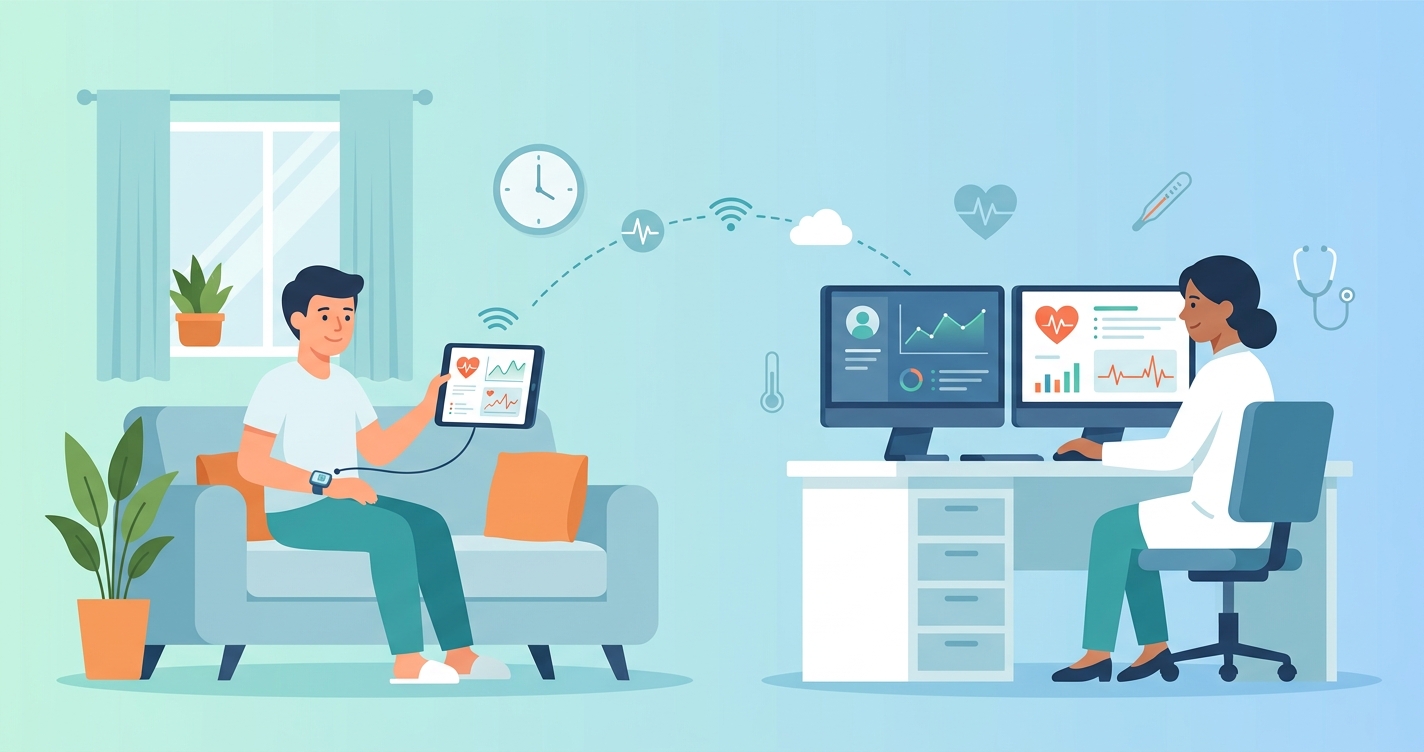
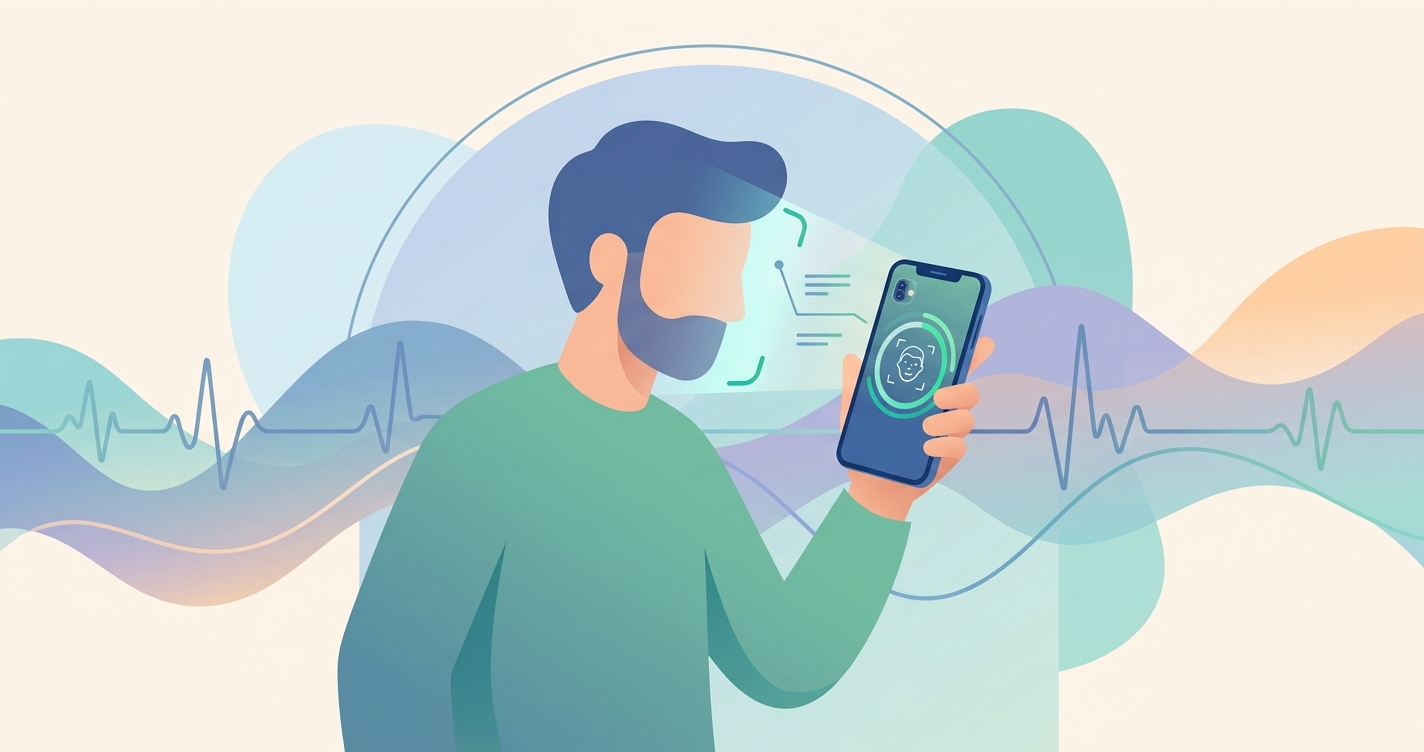
Why does my doctor want me to scan my face every morning?
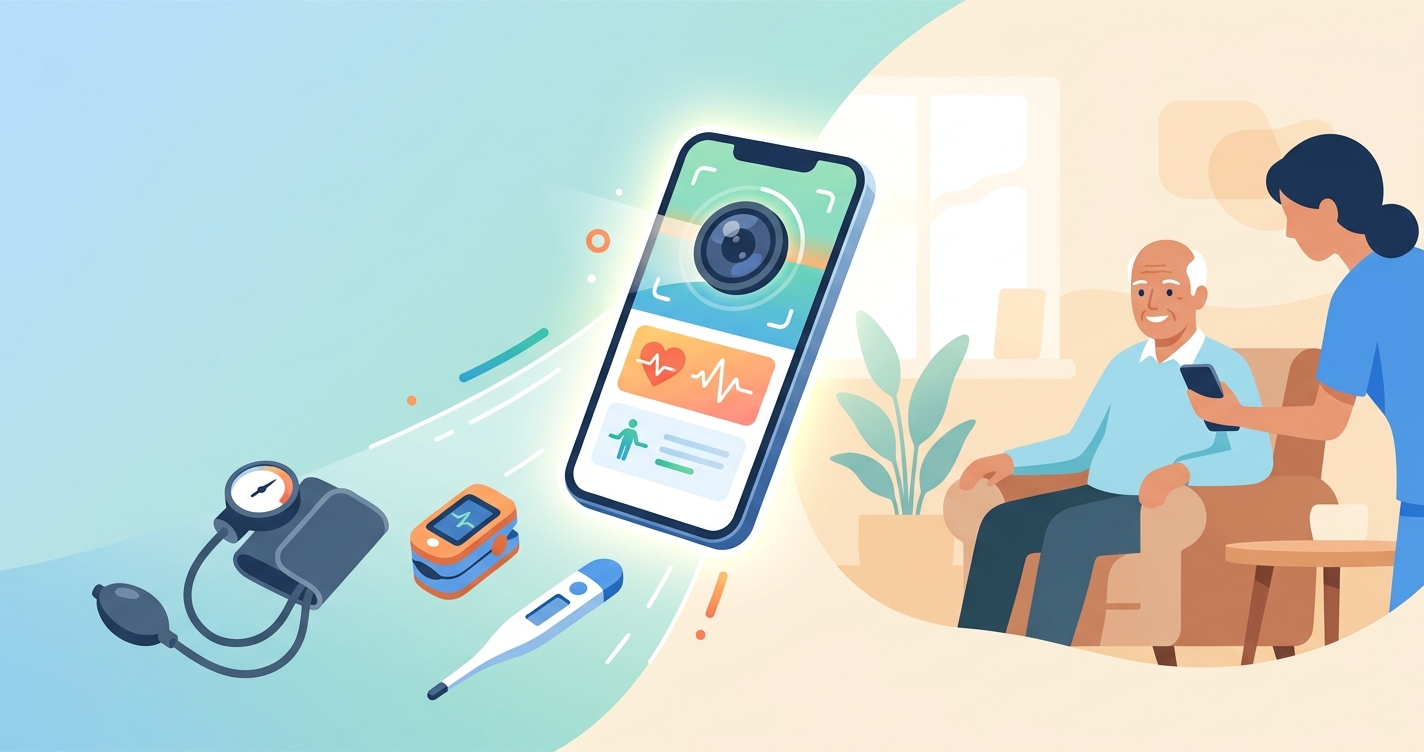
Your doctor may ask for a daily face scan to monitor your recovery remotely. Learn about the science behind camera-based vital signs and why it's a key part of modern healthcare.
Insights on health technology, vitals monitoring, and wellness from the TryCareScan team.

Your doctor may ask for a daily face scan to monitor your recovery remotely. Learn about the science behind camera-based vital signs and why it's a key part of modern healthcare.

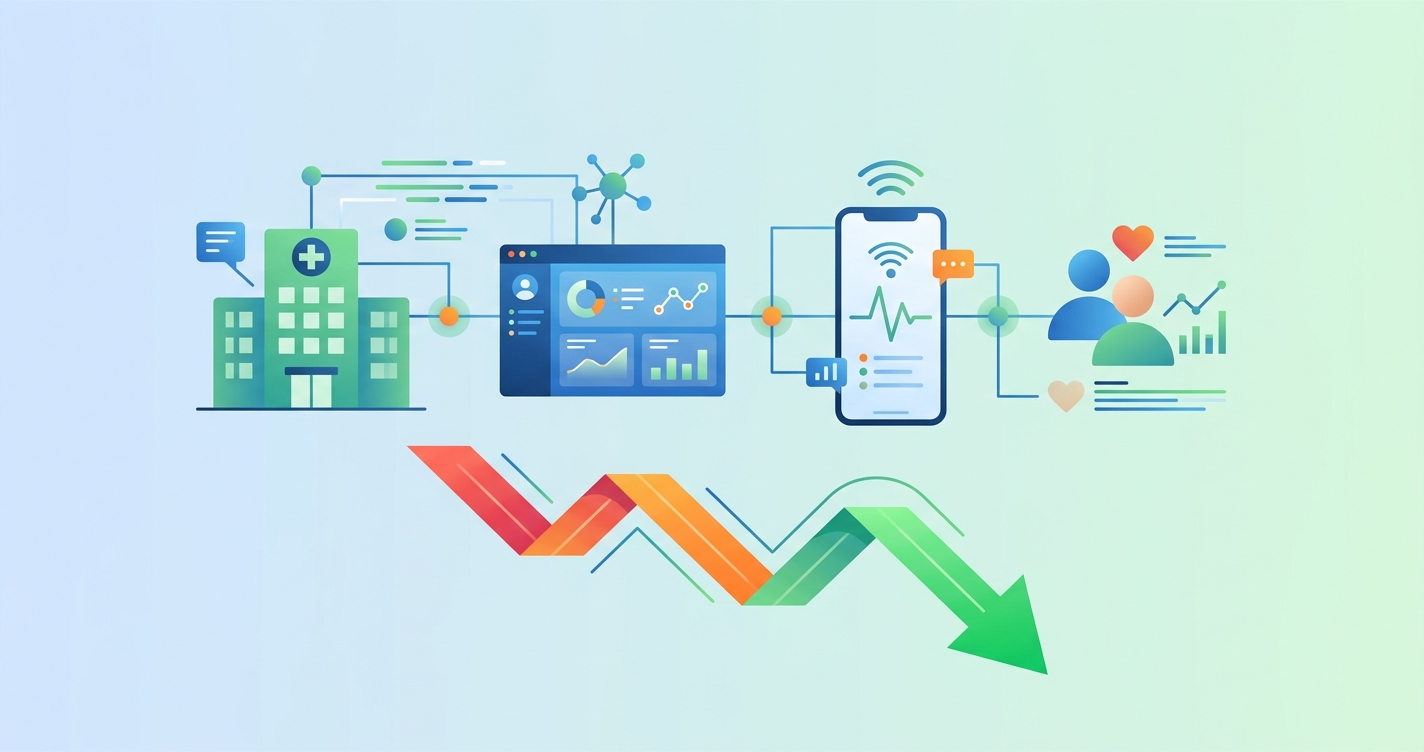
How hospitals monitor patients at home after discharge, with research on remote patient monitoring, readmissions, hospital-at-home models, and caregiver burden.

Research-based analysis of how payer-provider RPM partnerships lower total cost of care through shared incentives, earlier intervention, and lower inpatient use.

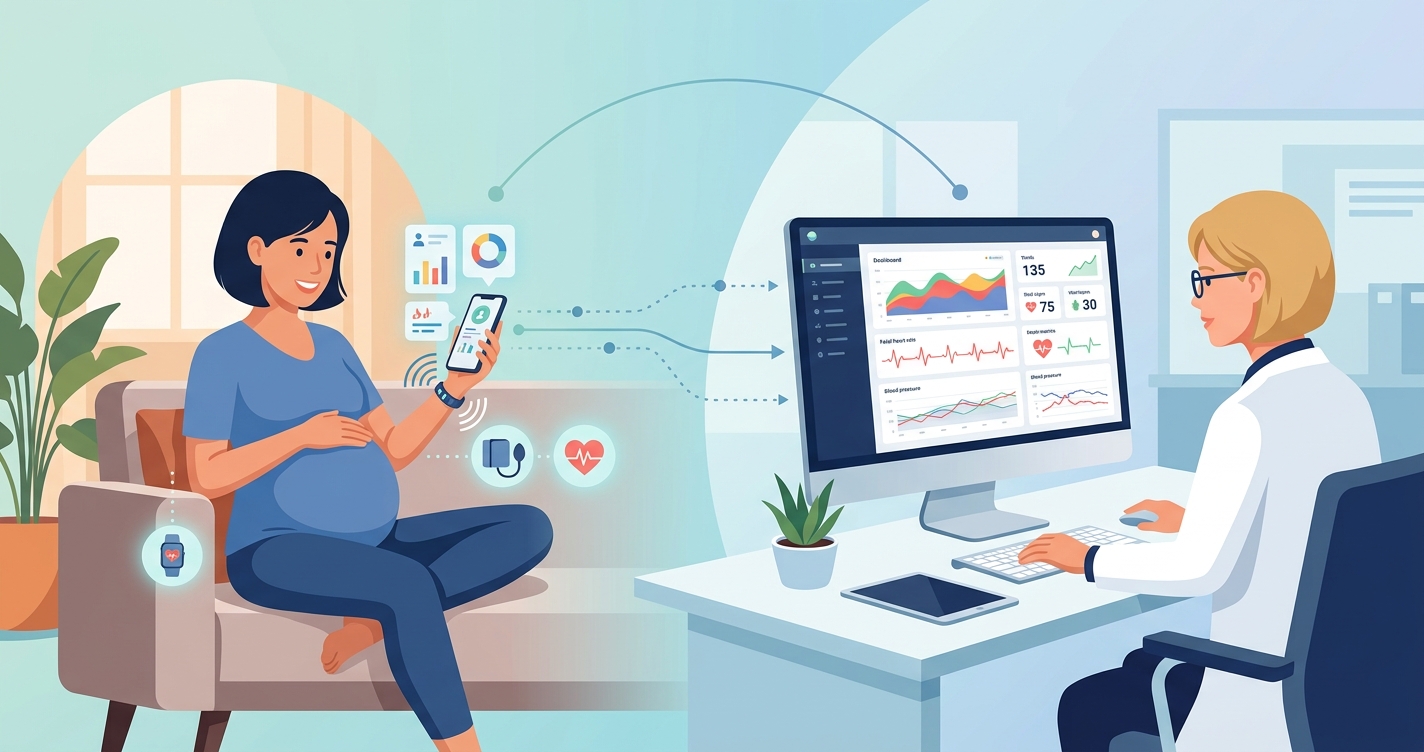
A research-based look at RPM maternal health high risk pregnancy monitoring, with evidence on hypertensive disorders, engagement, workflow design, and care access.

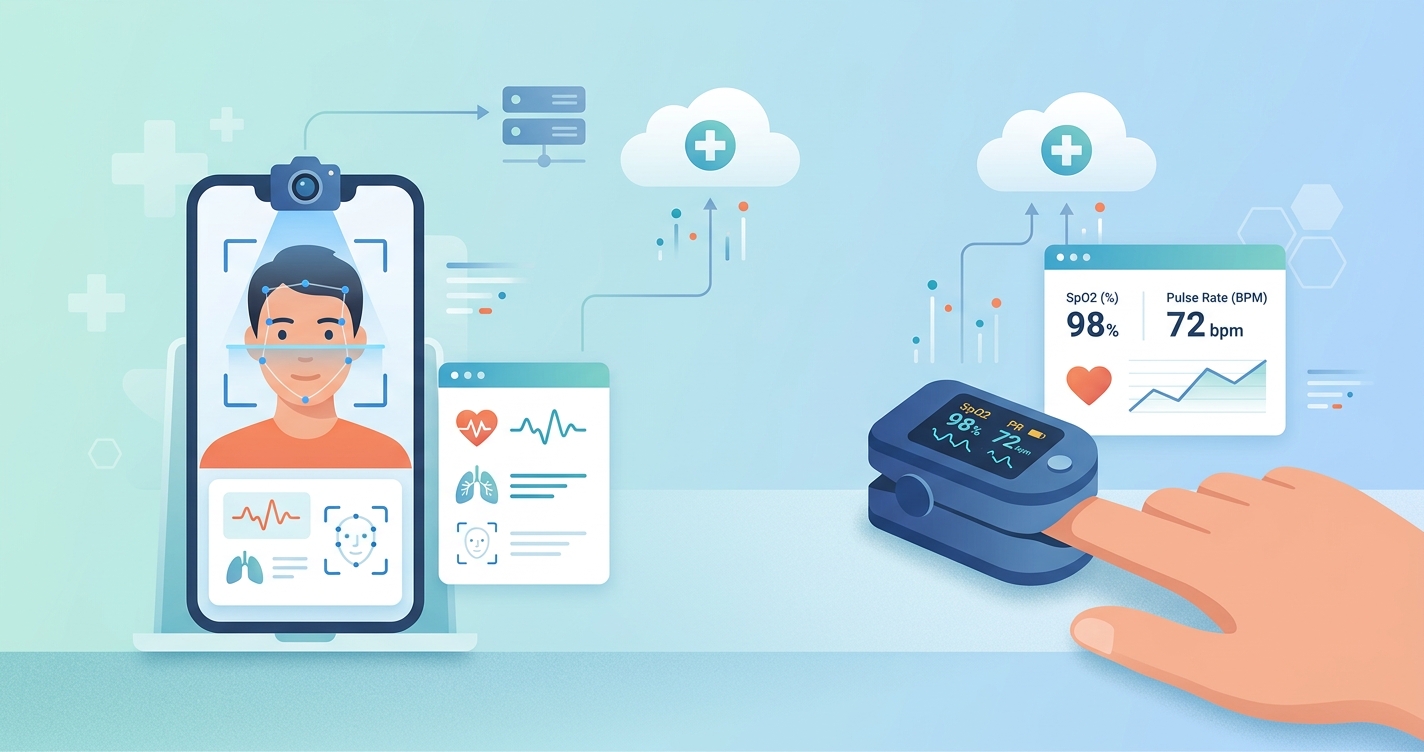
A research-based look at camera RPM vs pulse oximeter programs, with the real tradeoffs in adherence, signal quality, workflow burden, and health system scale.

Research-based analysis of how FQHC remote patient monitoring supports underserved populations through lower-friction chronic care, outreach, and continuity.

Research-based analysis of how rural hospitals use RPM to extend specialist access, support hospital-at-home models, and keep care closer to home.

Research-based analysis of how health systems reduce RPM device attrition with camera-based monitoring, simpler onboarding, and lower hardware burden.

A practical guide to scaling hospital-at-home programs by reducing device burden, centralizing coordination, and using lower-friction RPM workflows instead of adding logistics headcount.

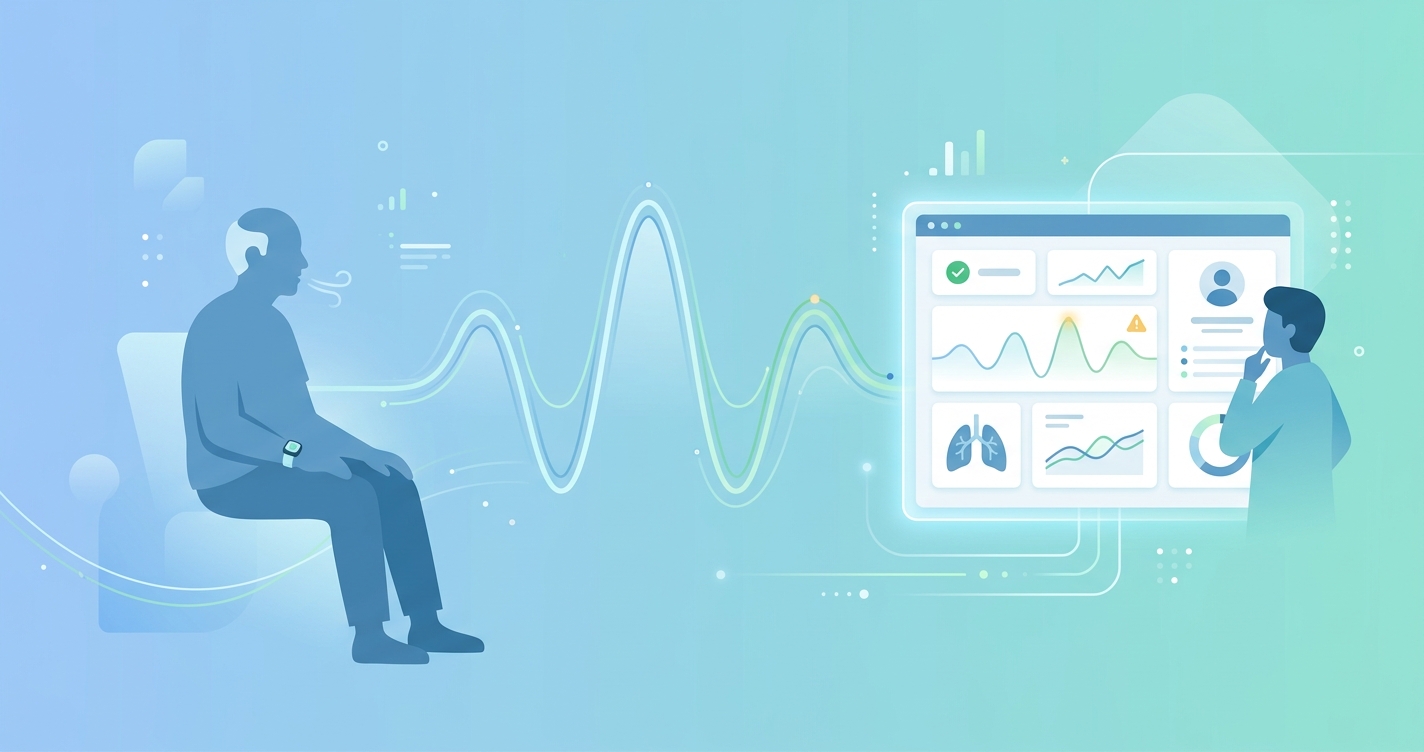
A research-based analysis of RPM for COPD management, showing how remote vitals programs can detect deterioration earlier and reduce exacerbation-driven admissions.

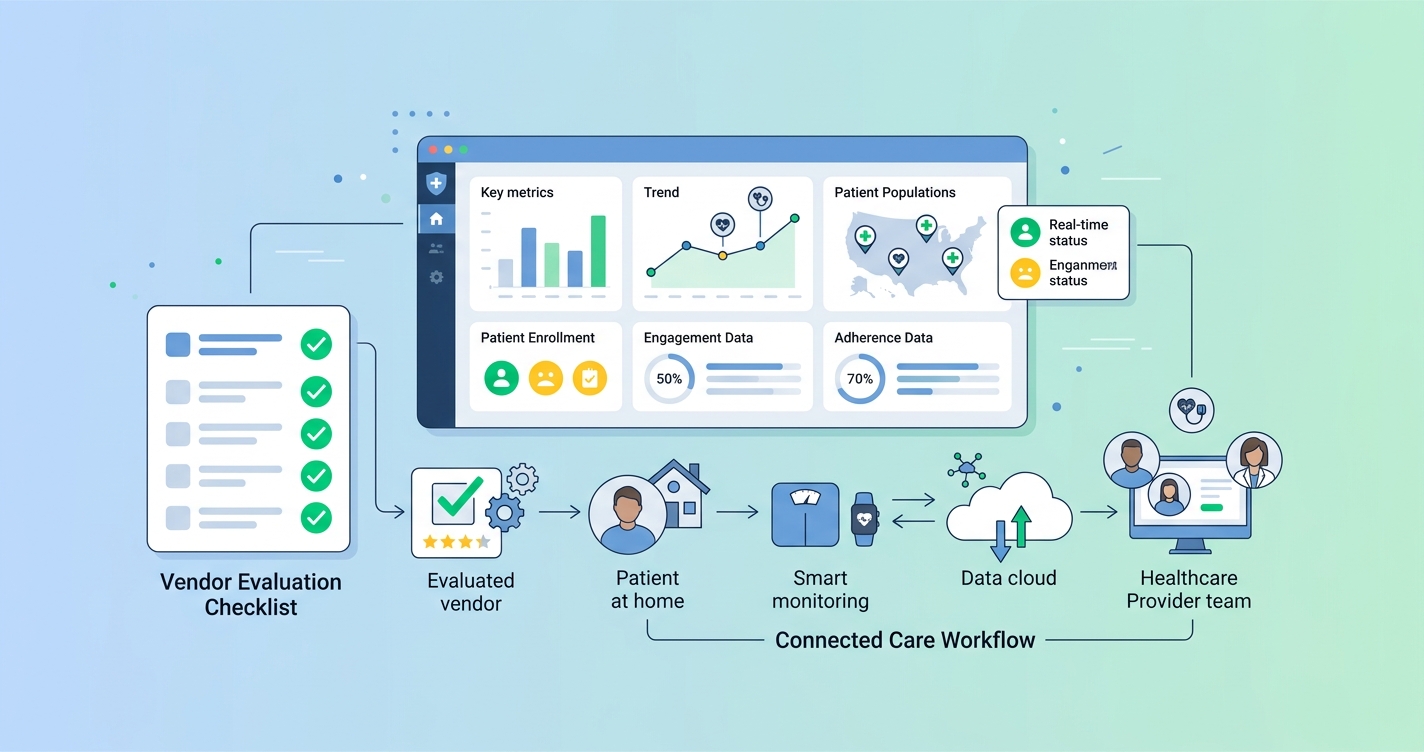
A research-based guide to population health VP RPM vendor evaluation, covering integration, adherence, staffing, reimbursement, and scale.

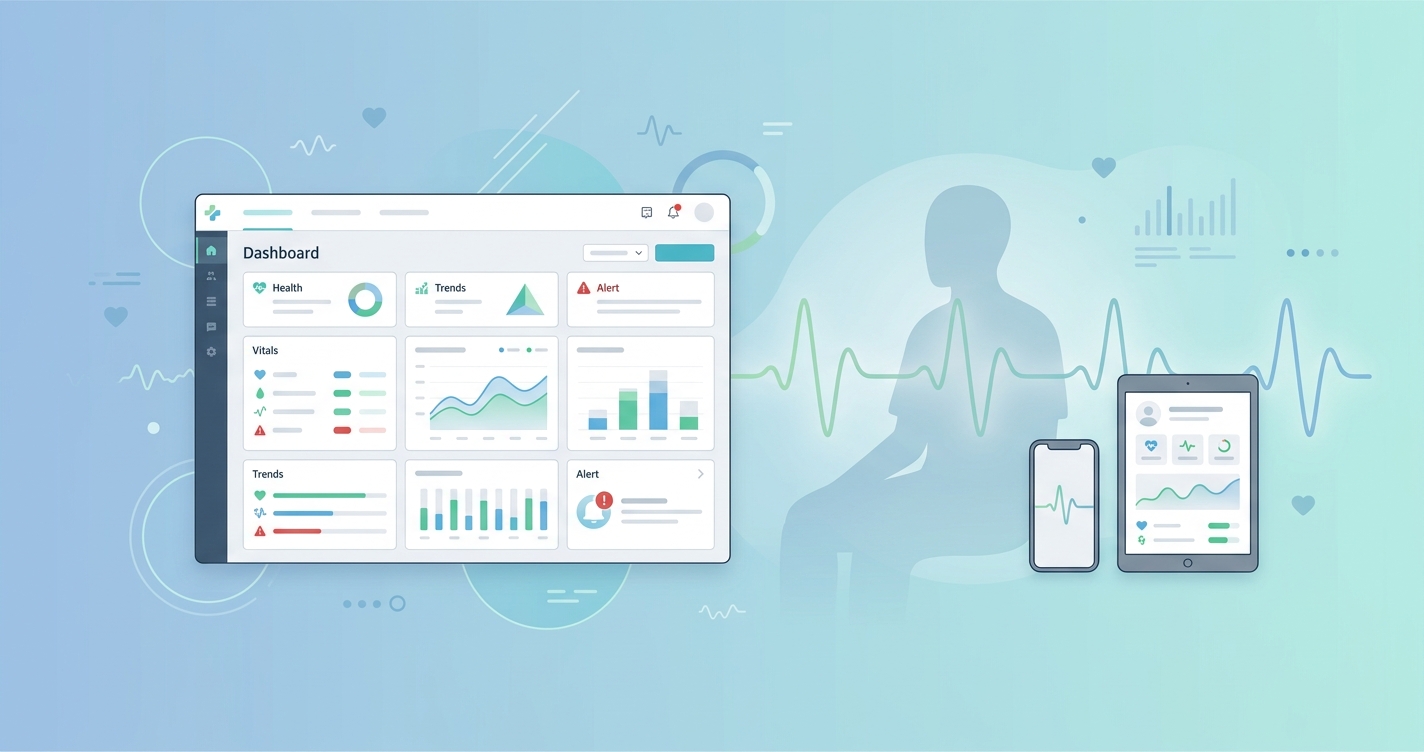
A clinician-focused explanation of passive patient monitoring and how no-touch RPM changes workflows, escalation, and home-based care operations.

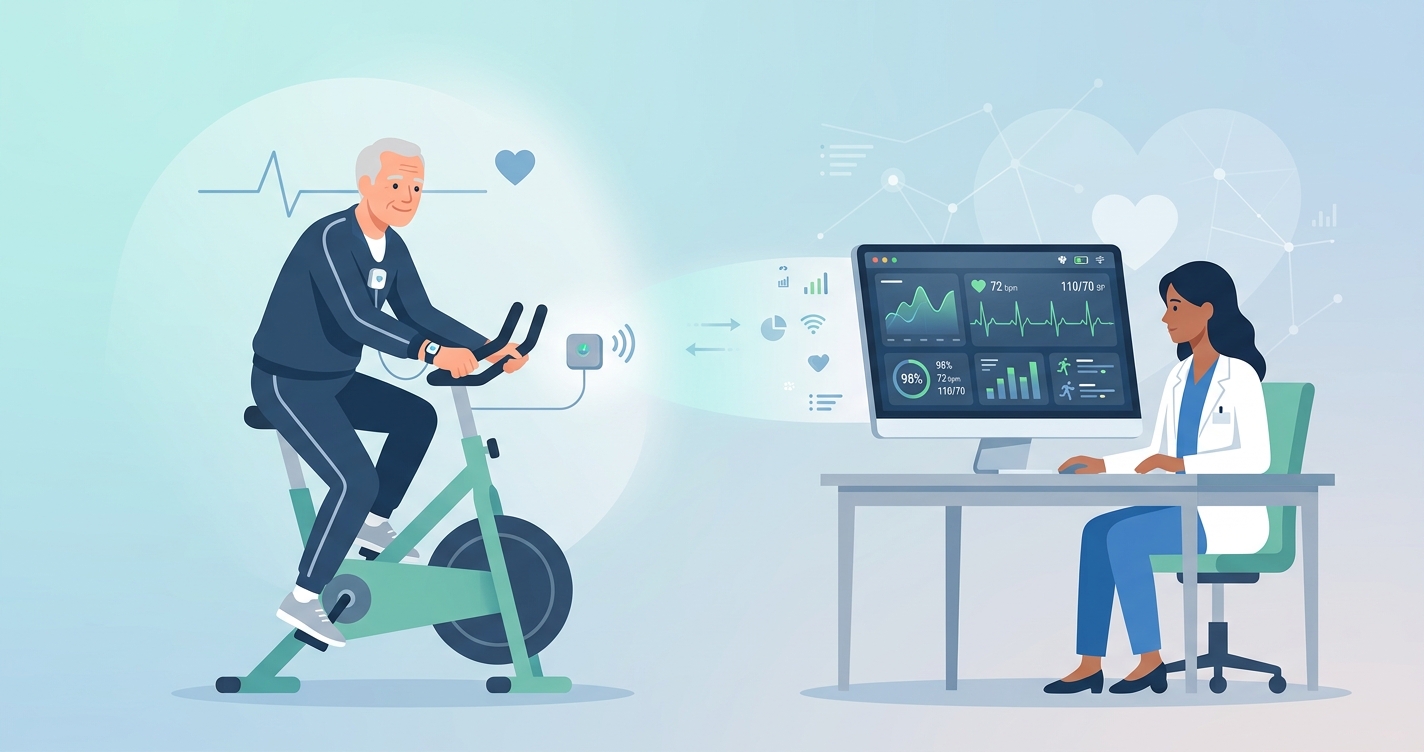
Research-based analysis of RPM cardiac rehabilitation monitoring, including participation gaps, program design choices, and evidence on outcomes in home-based rehab.
A deep dive into how your phone camera detects heartbeats through subtle skin color changes using photoplethysmography principles.